
There are so many words to describe how we feel about ourselves, how we think about ourselves, and how we act toward ourselves. There’s self-esteem, self-compassion, self-acceptance, self-respect, self-confidence, self-love, self-care, and so on.

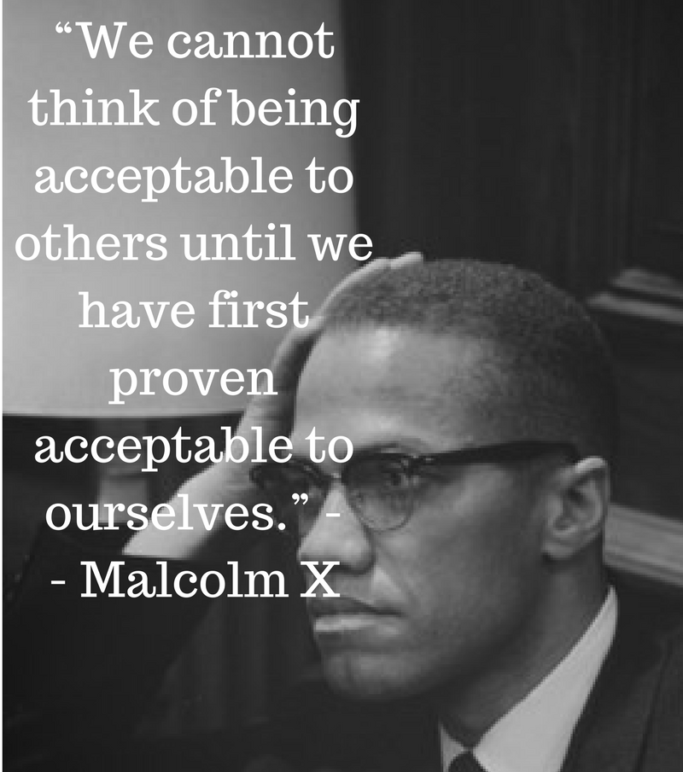
WHEN YOUR MINDS PLAYS TRICKS ON YOU
Whenever you notice your inner critic start to fire up with the criticisms, make her pause for a moment. Ask yourself whether she has any basis in fact, whether she’s being kind or not, and whether what she’s telling you is something you need to know. If none of those things are true, feel free to tell her to see herself out!
Challenge her on the things she whispers in your ear and remind her that no matter what you do or don’t do, you are worthy and valuable all the same.
The Importance of Self-Worth in Relationships
One of the most common mistakes you see people with low self-esteem make is to base their self-worth on one aspect of their lives—and often, that aspect is a relationship.
It’s an understandable tendency to let someone else’s love for you encourage you to feel better about yourself. However, you should work on feeling good about yourself whether you are in a relationship or not.
The love of another person does not define you, nor does it define your value as a person. You are worthy of love and respect, and you should make time to practice self-acceptance and self-compassion.
Don’t make the mistake of thinking that your partner’s love is what makes you worthy of love. If anything ever happens to your partner or to your relationship, you don’t want to be forced to build up your sense of worth from scratch. It can make breakups and grief much harder than they need to be. Two people who are lit with self-worth and happiness from within make are much brighter than two people who are trying to absorb light from each other (Grande, 2018).
The Risks of Tying Your Self-Worth to Your Job
Similar to the dangers of anchoring your self-worth to someone else, there are big risks in tying your self-worth to your job. Like a significant other, jobs can come and go—sometimes without warning.
You can be let go, laid off, transitioned, dehired, dismissed, downsized, redirected, released, selectively separated, terminated, replaced, asked to resign, or just plain fired. You could also be transferred, promoted, demoted, or given new duties and responsibilities that no longer mesh with the sense of self-worth your previous duties and responsibilities gave you.
You could also quit, take a new job, take some time off, or retire—all things that can be wonderful life transitions, but that can be unnecessarily difficult if you base too much of your self-worth on your job.
As noted earlier, your job is one of the things that don’t define you or your worth. There’s nothing wrong with being proud of what you do, finding joy or fulfillment in it, or letting it shape who you are; the danger is in letting it define your entire sense of self.
Never Forget: We are all so much more than a job.
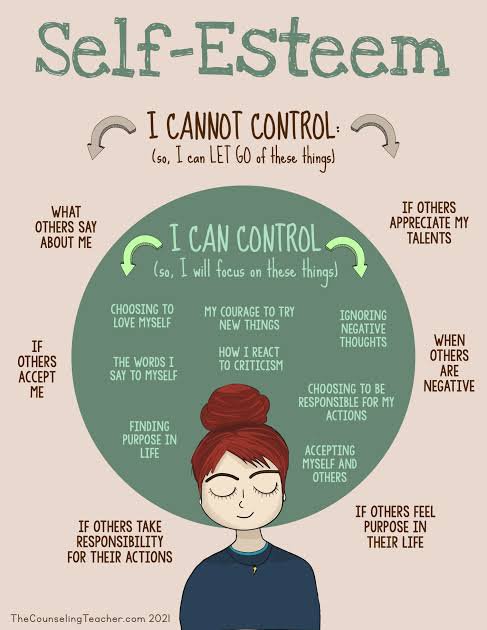
Activities and Exercises for Developing Self-Worth
1. Increase your self-understanding:
You need to learn who you are and what you want before you can decide you are a worthy human being.
2. Boost your self-acceptance:
Once you have a better idea of who you are, the next step is to enhance your acceptance of yourself.
Start by forgiving yourself for anything. Think of any struggles, needs for improvement, mistakes, and bad habits you have, and commit to forgiving yourself and accepting yourself without judgment or excuses.
3. Enhance your self-love:
Now that you have worked on accepting yourself for who you are, you can begin to build love and care for yourself. Make it a goal to extend yourself kindness, tolerance, generosity, and compassion. Commit to being more positive and uplifting when talking to yourself.
4. Recognize your self-worth:
Once you understand, accept, and love yourself, you will reach a point where you no longer depend on people, accomplishments, or other external factors for your self-worth.
At this point, the best thing you can do is recognize your worth and appreciate yourself for the work you’ve done to get here, as well as continuing to maintain your self-understanding, self-acceptance, self-love, and self-worth.
5. Take responsibility for yourself:
In this stage, you will practice being responsible for yourself, your circumstances, and your problems.
Take full responsibility for everything that happens to you without giving your personal power and your agency away;
Acknowledge that you have the personal power to change and influence the events and circumstances of your life.
Remember to talk to someone
 LIFESTYLE
Leave a comment